Biography
Los Angeles Poverty Department was founded in 1985 by director-performer-activist John Malpede. LAPD was the first performance group in the nation made up principally of homeless people, and the first arts program of any kind for homeless people in Los Angeles.
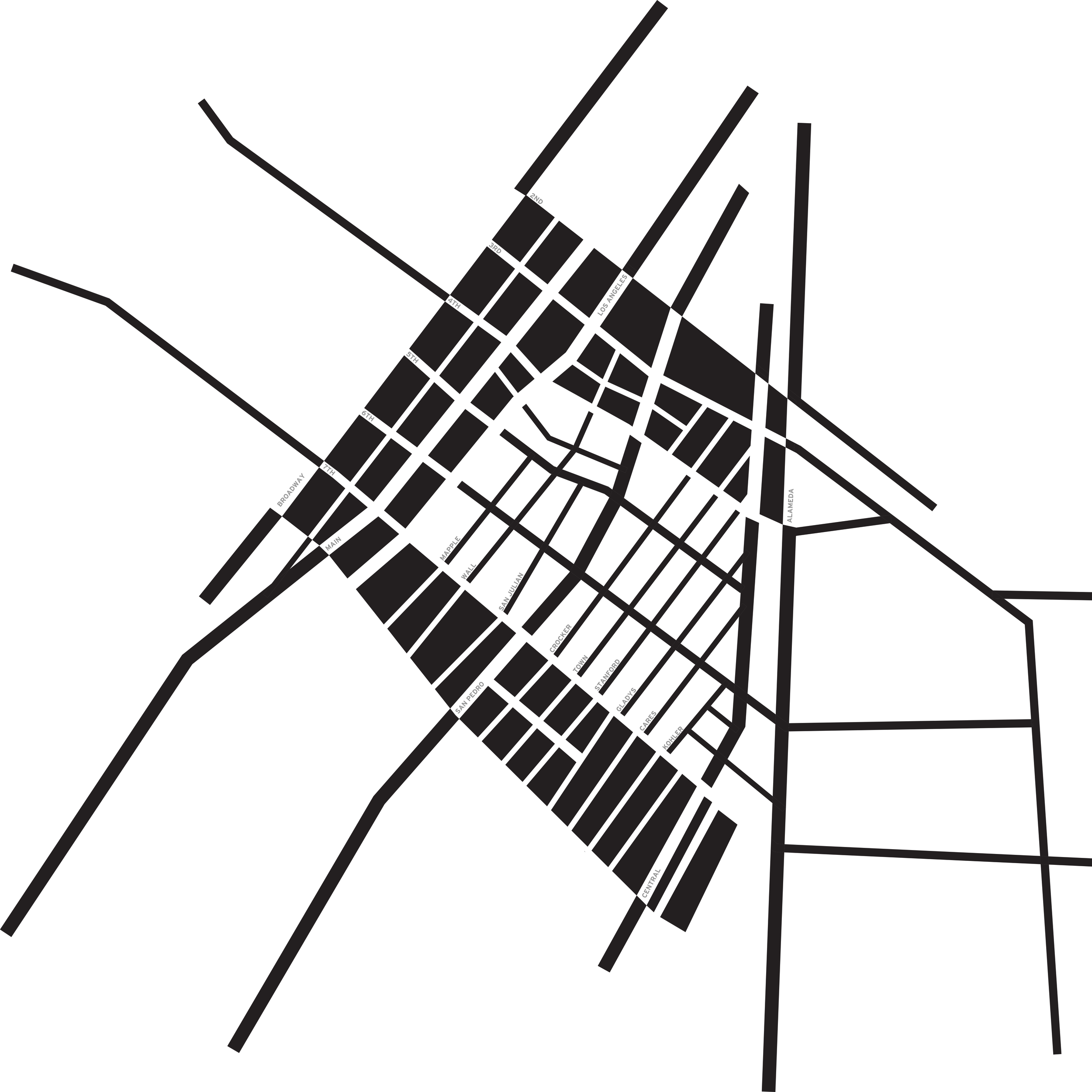
Skid Row Los Angeles is the poorest area in the city, with the largest concentration of homeless people of any neighborhood in the US. LAPD, as the first arts organization on Skid Row, immediately became active in a conversation and a movement with advocates, residents and social service professionals, that put forward the idea that Skid Row could be improved, by embracing and nourishing the powers of the people who live there.
In 1976, ten years before the founding of LAPD, community advocates from The Catholic Worker, The Legal Aid Foundation of Los Angeles and The Community Design Center and residents had successfully defeated an “urban renewal” plan that would have up-scaled the entire neighborhood and displaced all its residents. Community advocates organized and presented an alternative plan. Their plan proposed saving the single room occupancy hotels and committing resources to renovating and augmenting this housing and locating social services in the area. They argued that renovating the existing housing was more cost effective than building new housing, which would likely not get built— because of the price tag. And they argued that if the Skid Row housing was bull-dozed, new housing for people displaced from Skid Row would not get built, because of other neighborhoods’ opposition to housing “Skid Row people.” The L.A. City Council adopted the advocates “Blue Book Plan” plan in 1976.
In the years since, more than 40 former flop-house hotels have been transformed and another 20 built by non-profits to provide safe, affordable, permanent housing. This housing stock has been preserved in large part by the organized civic engagement of Skid Row residents, who have testified at City Hall, protested in the streets and sued the city in court, to successfully resist constant development and displacement pressures. Nevertheless, housing creation has not kept pace with need, within Skid Row, or elsewhere. The result: today 8,000 of the 14,500 neighborhood residents have permanent housing, with 3,000 people in transitional programs and 3,500 residents currently living unhoused on the streets. With few exceptions, the housed, permanent residents are formerly homeless people, they include children, elderly, women, families, veterans, a large and active drug recovery community, those with mental and physical disabilities, and people recovering from incarceration.
LAPD believes in the power of imagination to motivate people -and not only artistically by acknowledging the hopes, dreams, rational and spiritual power at the core of everyone’s humanity. LAPD’s success has encouraged many Skid Row agencies to integrate arts into their programs and has informed policy. We’re a pipsqueak organization that has had a major impact on raising the value placed on the arts by social service providers and policy makers.
Past Shows